
When sourcing from platforms like Alibaba or 1688, the biggest risk is not working with a trading company—it is not knowing who actually controls your production, quality, and tooling. Here is how professional procurement managers verify real factory capability before transferring initial deposits.
1. The Fundamental Sourcing Question
When negotiating with Chinese suppliers, almost every buyer asks: “Are you a direct manufacturer or a trading company?”
Predictably, 95% of suppliers respond: “We are an integrated factory with 15 years of manufacturing experience and 300 workers.”
Working with a professional trading company or sourcing agency is not inherently bad. Many trading firms offer valuable multi-category consolidation, lower initial MOQs, and fluent English communication. The real danger is supplier misrepresentation—paying direct-factory expectations while an unvetted third party outsources your order to an uninspected sub-tier workshop.
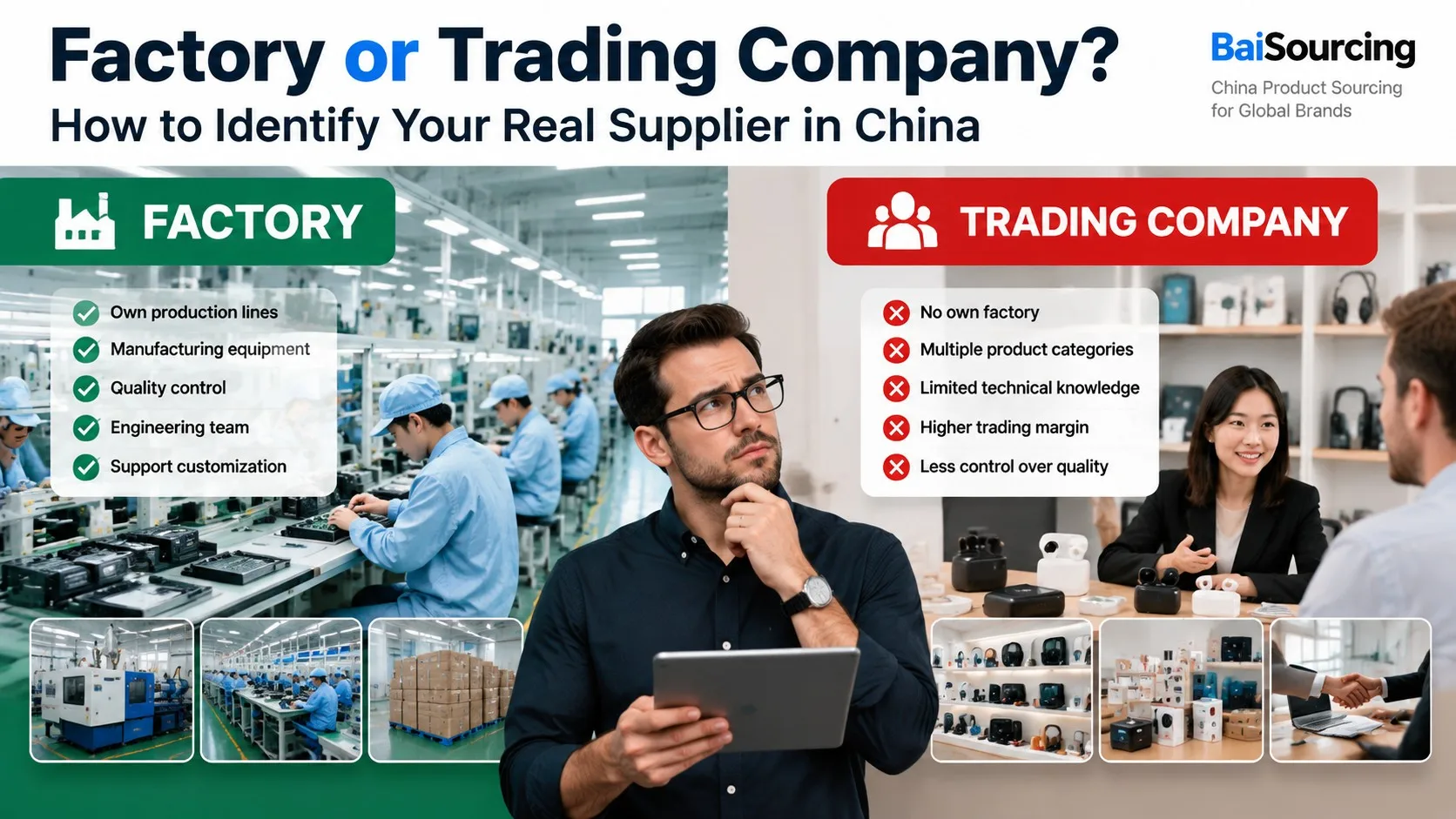
Fig 1. Structural differences between direct manufacturing factories and commercial trading companies in China.
2. Factory vs. Trading Company: Detailed Comparison
3. 7 Practical Ways to Verify Your Supplier's True Identity
1. Audit the Chinese Business License (营业执照)
Request their Unified Social Credit Code (统一社会信用代码). A genuine factory will list “Manufacturing” (生产 / 制造 / 加工) in their officially registered Business Scope (经营范围). A trading company will list only “Sales” (批发 / 销售 / 进出口业务).
2. Verify Registered Address vs Workshop Location
Check their address on Chinese mapping systems (Baidu / Amap). If the registered address is in a downtown CBD commercial office building (e.g. Room 1802, International Trade Center), they are an office sales team, not a factory plant.
3. Analyze Product Catalog Breadth
Specialized factories focus on cohesive product families (e.g., sonic toothbrushes, water flossers, and shavers sharing injection molds and motor assembly benches). If a supplier sells toothbrushes, solar panels, plush toys, and camping tents, they are 100% a trading entity.
4. Request Live Video Verification of Production Lines
Ask for an unannounced WeChat / WhatsApp video call during China working hours (9:00 AM – 5:00 PM CST). Request to see the active SMT placement machines, mold storage room, or aging test racks. Trading companies will invent scheduling excuses.
5. Test Their Technical Engineering Depth
Ask technical feasibility questions: “What is the draft angle on the top housing?” “Can we modify the PCB to support 9V/2A fast charging?” A factory sales engineer will consult their R&D desk and respond with CAD files within hours; a trading rep will take days to relay answers.
6. Check ISO Certifications & Test Report Ownership
Request their ISO9001, BSCI, or CE certificates. Check the “Applicant / Manufacturer” name on the test report. If the certificate lists a different company name in another city, your supplier is reselling another factory's credentials.
7. Inspect Quotation Transparency & BOM Structure
Ask for itemized component pricing (tooling cost, raw material weight, SMT cost, packaging). Real manufacturers price based on tangible bills of materials; trading middlemen quote fixed rounded numbers.
4. 3 Red Flags to Watch Out For
Red Flag 01
“Lowest Price Guaranteed”
Price cuts without clear engineering optimization mean silent material substitution and bypassed QC.
Red Flag 02
Stock Image Showrooms
Virtual 3D renderings and generic sterile workshop photos without real workers or active assembly batches.
Red Flag 03
Refusing On-Site Audits
Making excuses when an on-the-ground China auditor or representative requests a formal factory walkthrough.
5. How BaiSourcing Protects Your Sourcing in China
Operating directly from our engineering center in Ningbo, Zhejiang, BaiSourcing bridges the information gap between overseas buyers and Chinese industrial clusters:
- Supplier Background Check: Legal verification, business registry checks, litigation history, and export credit rating.
- On-Site Factory Audits ($499): Physical factory walkthrough, capacity inspection, machinery verification, and ISO/QC process auditing.
- Sample Teardown & BOM Audits ($299): Dissecting physical samples down to raw material weights and component models to evaluate real manufacturing costs.
- End-to-End OEM/ODM Project Management: Contract manufacturing oversight, Golden Sample sign-off, and pre-shipment AQL inspection.
6. Complete Your Sourcing Due Diligence
Combine supplier verification with our component-level cost audit framework:
Core Guide 01
How to Review a Supplier Quote: A Complete BOM Audit Guide →
Understand real component costs before negotiating factory prices.
Core Guide 02
5 Hidden Costs in Consumer Electronics Manufacturing →
Identify hidden tooling, rework, and compliance fees before production.
Need to Verify a Chinese Supplier Before Your Next Order?
Send us your supplier's Alibaba link, company website, or quotation. BaiSourcing will audit their business license, verify manufacturing authenticity, and perform on-site factory inspections.